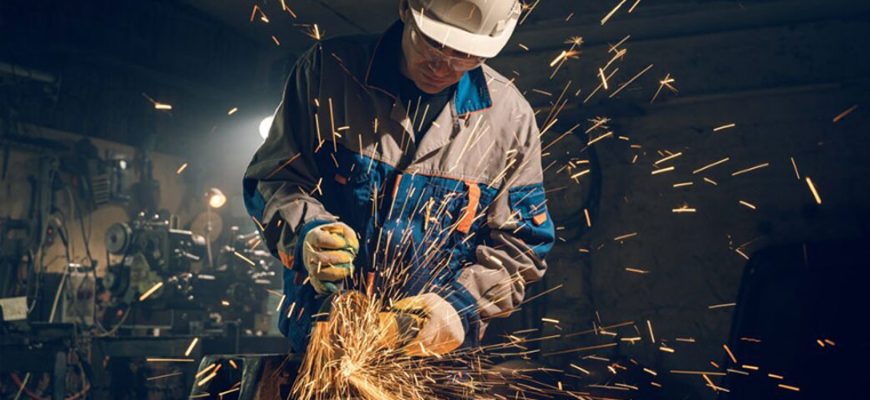
From January 1, 2026, updated safety regulations and approval schemes for hot work will come into force. Some of the most important changes involve modernizing the training plan, course content, and requirements for course providers. The aim is to ensure high-quality training and reduce the risk of fire and fire hazards during hot work.
Hot works course 2026
From 2026, stricter requirements will be imposed on providers of e-learning for hot work. Only formally approved providers will be able to offer courses that lead to a valid certificate.
Our e-learning course in hot work has been approved by the Fire Protection Association and follows the new training plan that will apply from 2026.
The course is divided into short, easy-to-follow modules that make it easier to learn at your own pace. Theory is simplified and explained with clear examples, so that the content is relevant – even for participants without extensive experience. The course is now also more educational and practical, with more examples from real work situations and an increased focus on risk awareness. Interactive tasks and more visual content make learning more engaging and facilitate the transfer from theory to practice.
The course is now also dyslexia-friendly, with short and clear texts, audio support, subtitles, and visual aids.


Fire extinguishing exercises:
The requirement for practical fire extinguishing exercises will continue. Courses and fires extinguishing exercises must be completed within a period of three months. Both physical (live drills) and VR firefighting drills are approved in 2026. To strengthen the environmental and sustainability profile, traditional “live drills” will be phased out by January 1, 2027. After this, only digital drills will be accepted as part of the training.
Background to the changes
The safety regulations for hot work have been part of the insurance industry’s requirements since 1989, with a certification scheme in place since 2001. The aim of the scheme has always been to reduce the number of fires caused by welding, cutting, the use of hot air tools, and other work that can generate heat or sparks and contribute to increased risk in the workplace.
The new regulations and updated approval scheme strengthen the competence and risk awareness of contractors, instructors, and course providers. By combining flexible training with modern course materials and digital tools, it helps to reduce fire risk and strengthen preventive work throughout the construction and industrial sectors.
Do you have any questions?
We have been working with hot work training for several years. In this connection, we have compiled most of the questions and issues we receive from our customers, and here you will find answers to most of them: “Hot work – questions and answers.”
Please feel free to contact us if anything is unclear or if you have any further questions or comments about training in hot work.